Rome with Kids in Spring: A Real 4-Day Itinerary
Note: this article contains affiliate links (advertising).
Hello. In late March and early April 2026, our family (with a young child) spent a few days in Rome. Every photo here is my own. If you've been wondering whether Rome is really doable with kids, I understand the worry — so here's an honest account of how it actually went.
What you'll find here
- A kid-friendly 4-day Rome route we genuinely did (Pantheon, Vatican, Roman Forum)
- What to pack for late March / early April (in short: it's colder than you'd expect)
- How to handle the lines with children (the Vatican especially deserves some planning)
- The quiet pleasure of a neighborhood trattoria, away from the crowds
1. An honest note first: late-March Rome isn't quite "spring" yet
The guidebooks all said "spring," so I let my guard down — and was a little surprised. When we visited in late March and early April, the moment the sun went behind a cloud it turned genuinely chilly, and the whole family wore down jackets.
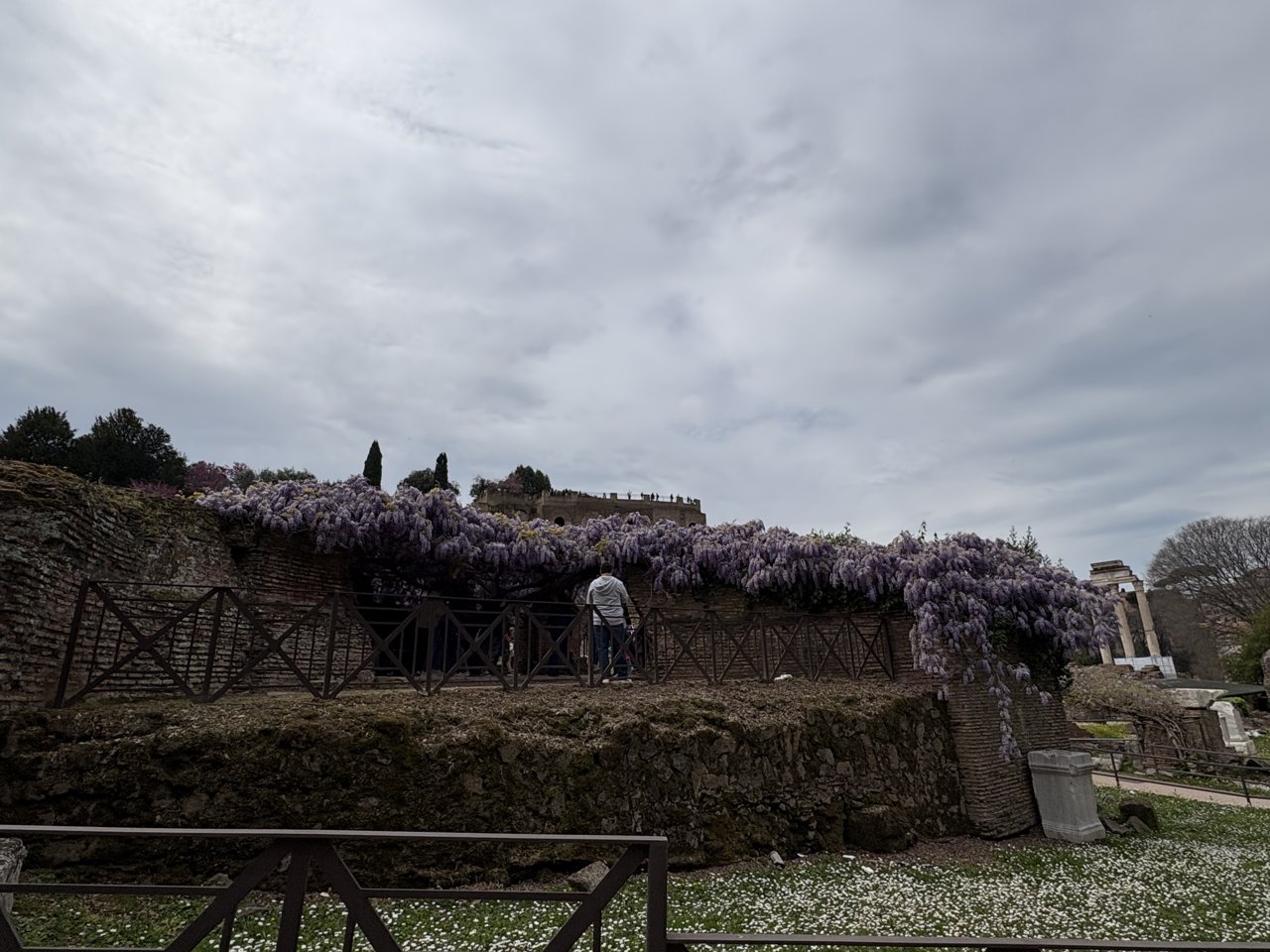
There was a lovely upside, though. The wisteria was just beginning to bloom at the Roman Forum, and the crowds were gentler than in high summer, which actually made things easier with a child.
- What to wear: a light down jacket with a layer underneath works well. Pack an extra layer for the kids, who feel the cold more.
- Weather: sun and clouds trade off through the day. A small foldable umbrella is worth carrying.
- Crowds: calmer than summer — though the Vatican still had a long line even on a cloudy weekday (more on that below).
2. The 4-day itinerary (at a relaxed pace)
With children, the key is simply not to overpack the day. We kept it to one or two sights each day, and that felt just right.
Day 1 (arrival evening) — take it gently
We landed in the evening. Travel days tire children out, so we kept it to a light dinner near the hotel. Staying central makes both your first and last day noticeably easier.
💡 Where to stay with kids: the Termini–city center area is a reassuring choice — easy from the airport, walkable to the main sights, and full of restaurants, which keeps the day's effort to a minimum. 🔗 [Affiliate: Find family-friendly hotels in central Rome]
Day 2 — the Pantheon and the old town
A clear morning at the Pantheon — since 2023 entry is ticketed (€5, rising to €7 from July 2026; under-18s free but still need a reservation), quick to see, and a real moment for the children. The cobblestone streets around it are a pleasure to wander, gelato in hand.
The old town is dotted with sights you can reach on foot. At the Spanish Steps, the flower beds were being prepared for spring and everyone's clothes had lightened up.
In Piazza Navona, the movement of the sculptures around the fountain's obelisk stopped even the children.
And of course the Trevi Fountain. Crowded, yes, but the sound of the water and the drama of the sculpture are something else — and a child's back turned to toss a coin makes a lovely memory.
Day 3 — the Vatican (the big one)
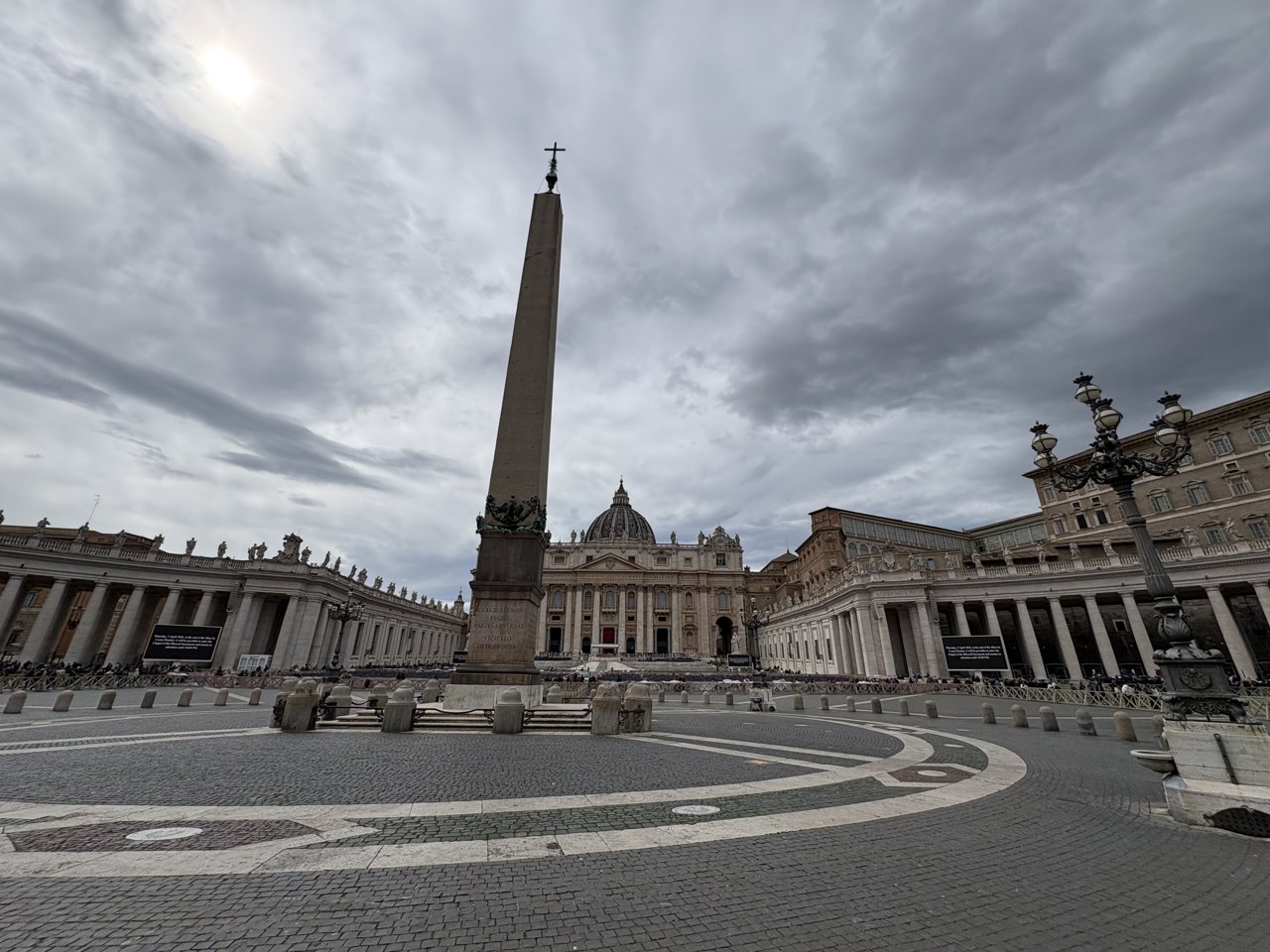
St. Peter's Square and the Vatican Museums. With children, the real challenge is the queue. We went on a cloudy weekday, and even so the square had a long line.
- A skip-the-line ticket felt close to essential with kids. A long wait in the cold (or the heat) goes straight to a child's mood.
- The museum is vast, so aiming for the Sistine Chapel and accepting that you won't see everything worked best for us.
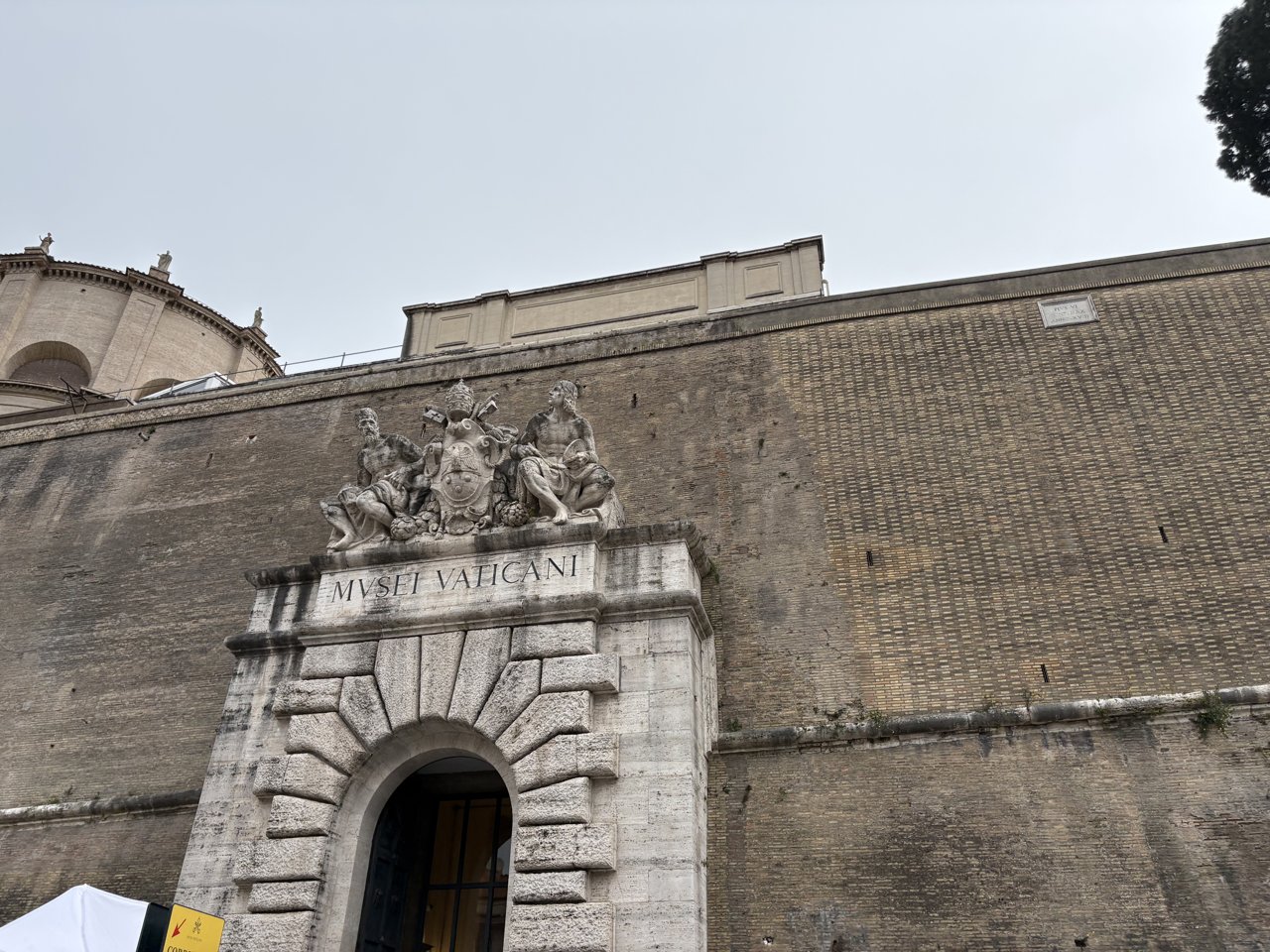
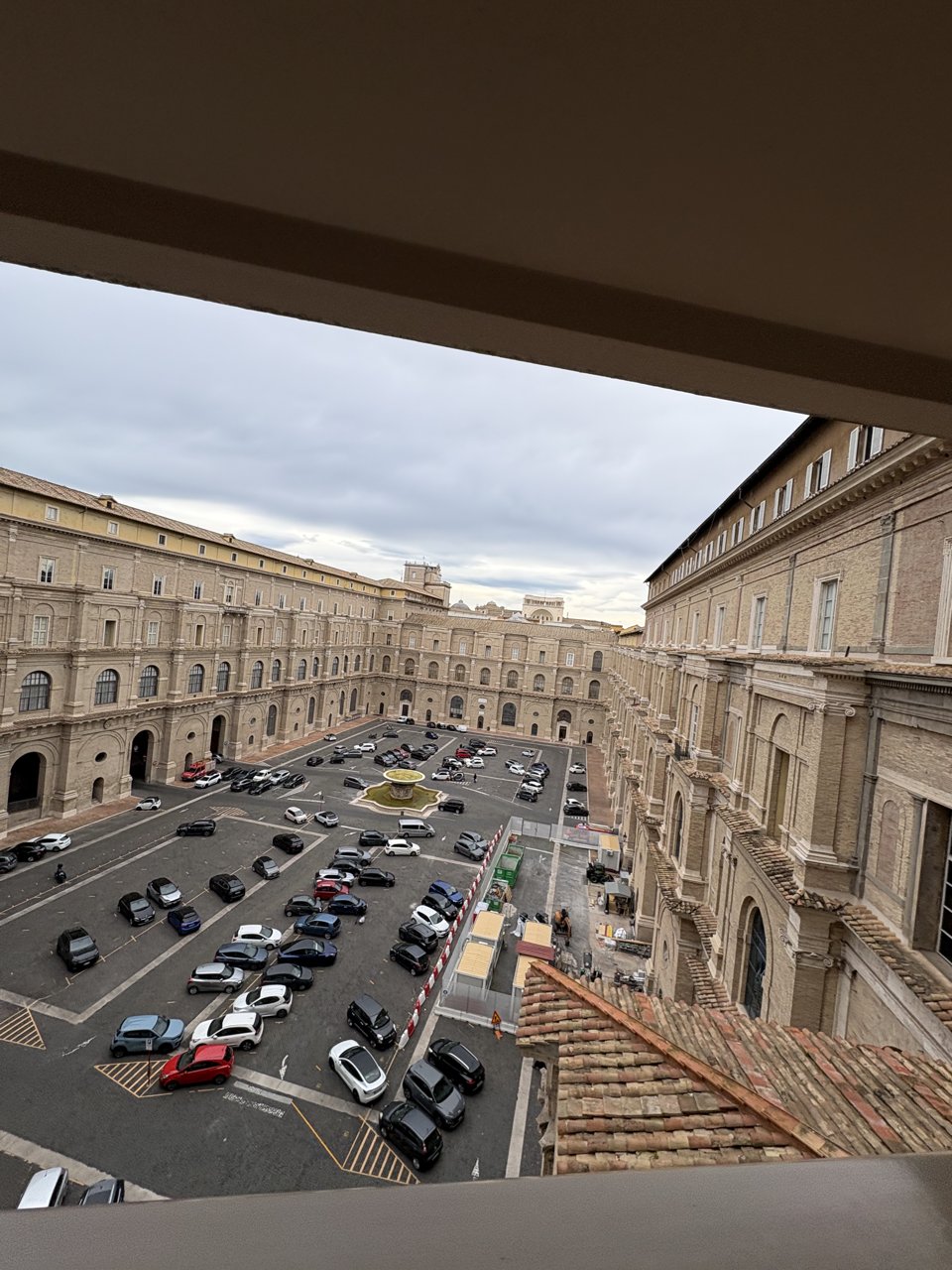
Inside the museum, the ceilings and galleries were what the children enjoyed looking up at with us. The domed "Round Room" has a coffered ceiling and oculus that echo the Pantheon.

The Gallery of Maps, with its gilded ceiling and walls of antique maps, had the kids gazing up "like treasure."
Day 4 — the Roman Forum, the Colosseum, and a local dinner
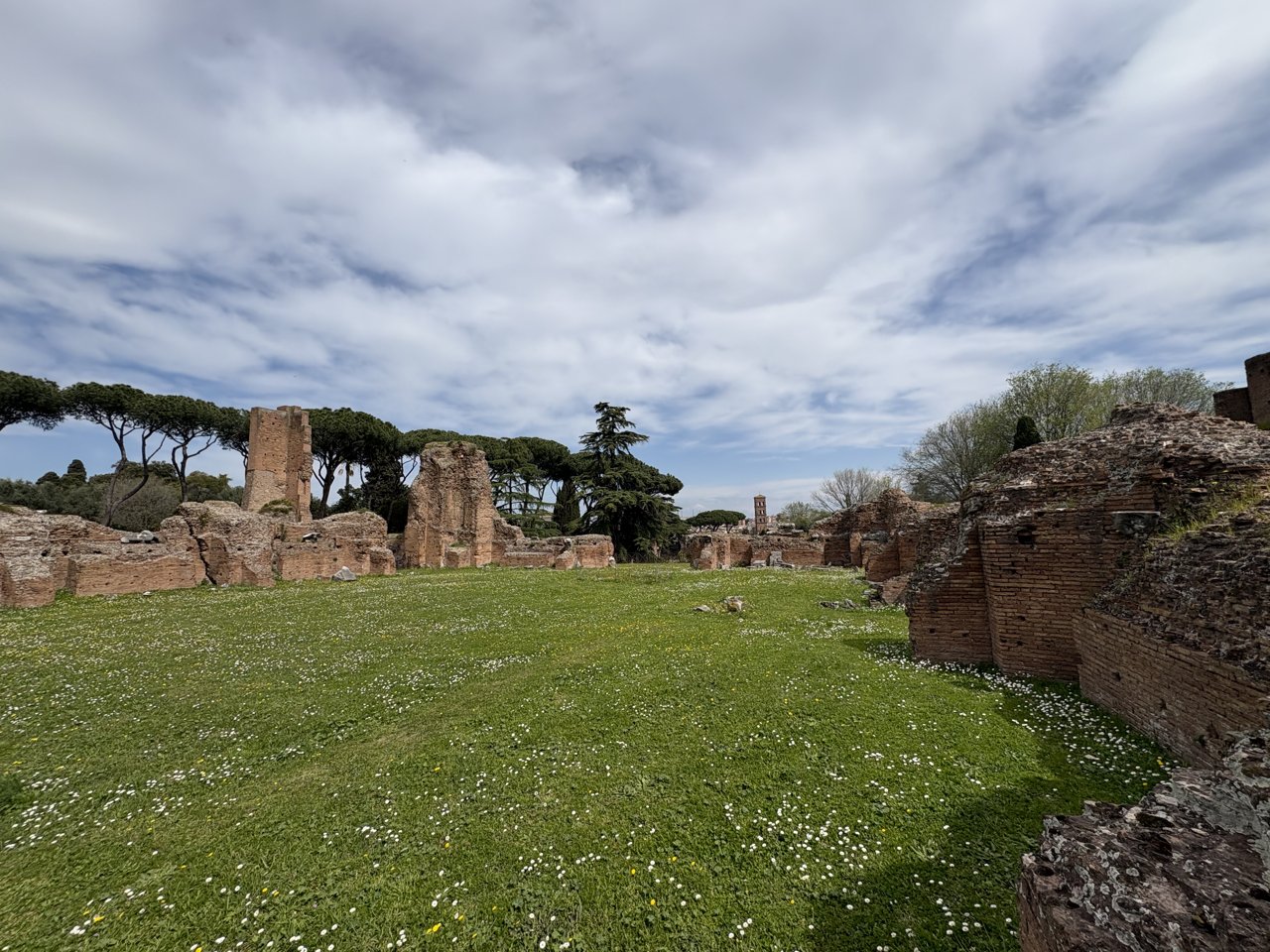
The heart of ancient Rome — the Roman Forum and Palatine Hill. There are a lot of cobblestones and steps, so comfortable shoes serve you better than a stroller here. From up on the hill, the sweep of the ruins opens out before you.
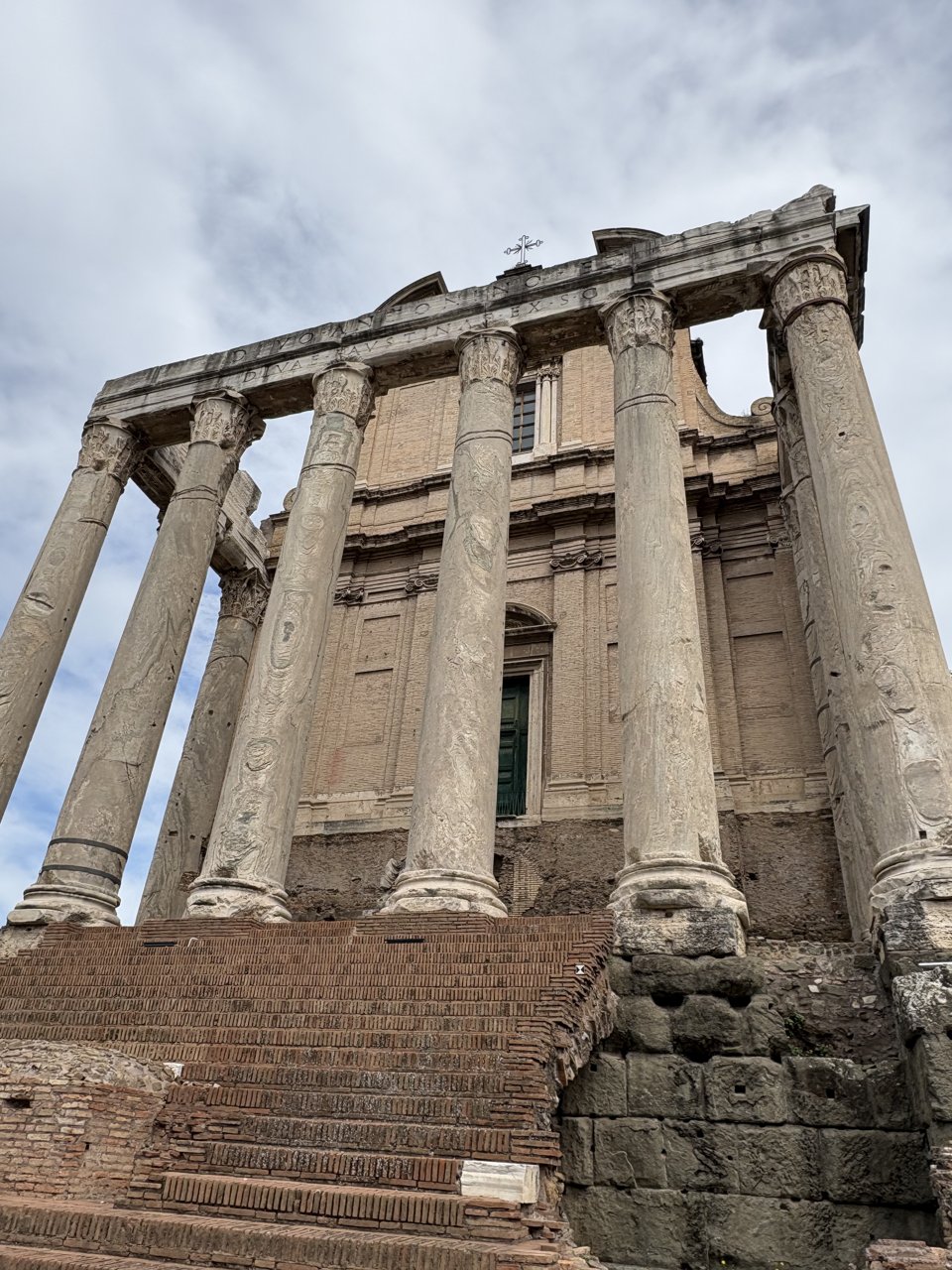
The still-standing columns of the Temple of Antoninus and Faustina — up close, their strength is overwhelming.
Happily for spring, wisteria was blooming here and there among the ruins — the contrast of ancient stone and spring flowers is a beauty unique to the season.
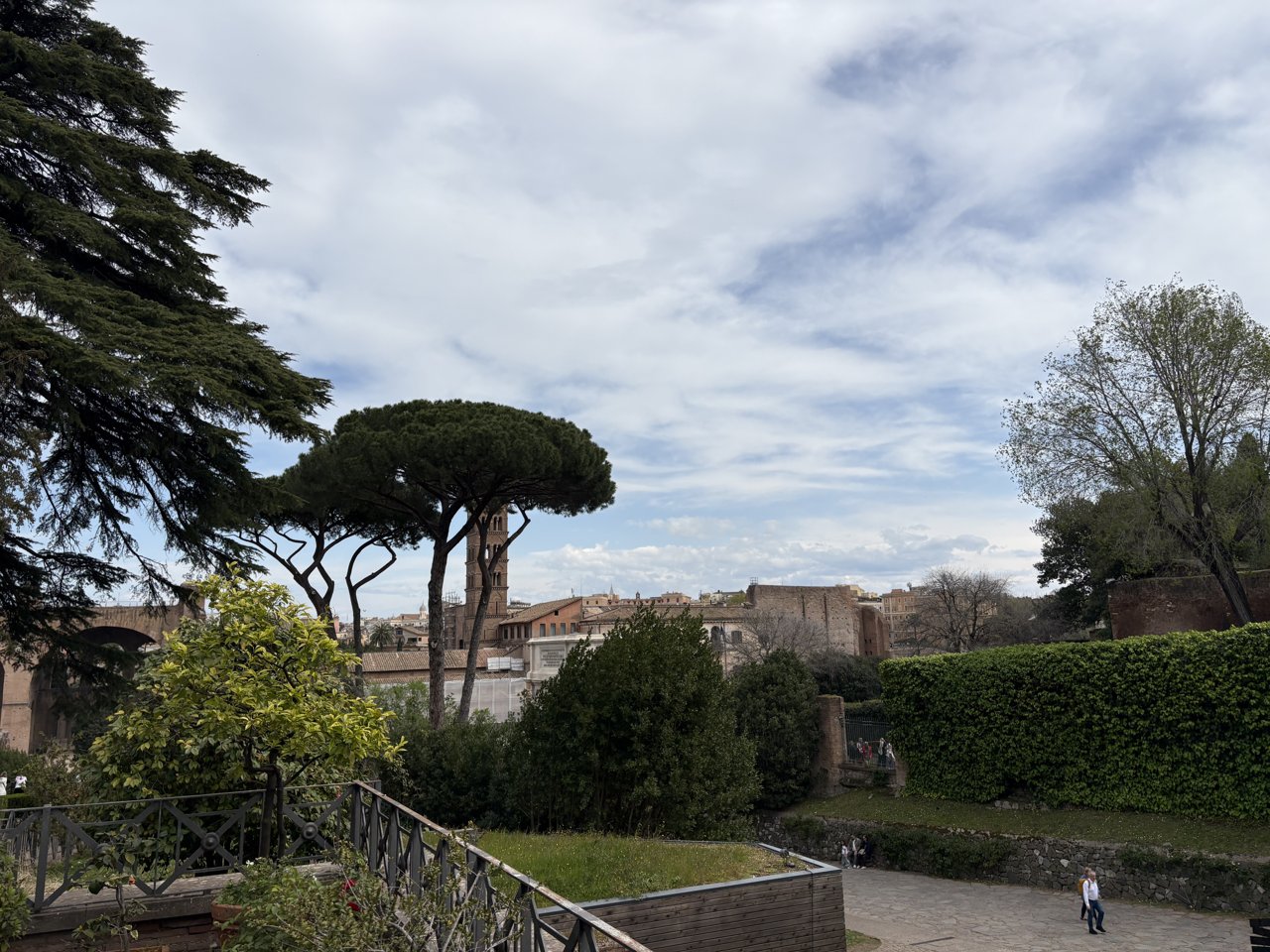
We also walked over to the neighboring Colosseum. The closer you get, the more the scale of the stone overwhelms you, with Rome's signature umbrella pines set against the blue sky.
Inside, you can look down over the old tiers and the arena, and almost feel the ancient roar.
On the way back, the brilliant white marble of the Vittoriano (the Altar of the Fatherland) stood out across the city.
For dinner we found a trattoria just off the tourist track — yellow checkered tablecloths, a table among the locals. It turned out to be our child's favorite memory of the whole trip.
3. A few honest parent Q&As
Q. Can I bring a stroller? A. There are cobblestones and steps everywhere, and the Forum is genuinely hard going. If your child can walk, it's easier to plan on walking.
Q. Will the children get bored at meals? A. Trattorias tend to bring pasta and pizza out fairly quickly, so it's more kid-friendly than you might think. Learn "acqua naturale" (still water) and you're set.
Q. The one thing to book ahead? A. The Vatican skip-the-line. Queuing on the spot will wear out the whole family.
🔗 [Affiliate: eSIM / airport transfer / travel insurance]
4. When to go: Rome by season and weather
Rome rewards a visit any time of year, but with children I found spring (April–May) and autumn (September–October) the easiest for walking. High summer brings strong sun and heat radiating off the cobblestones, which is hard on little ones.
Here are rough monthly temperatures (averages only — always check the forecast before you travel).
| Season | Month | Typical daytime high | Typical night low | Note |
|---|---|---|---|---|
| Spring | March | ~16°C / 61°F | ~6°C / 43°F | Chilly when cloudy; bring a jacket |
| Spring | Apr–May | 18–23°C | 8–12°C | Flowers out; the most comfortable |
| Summer | Jun–Aug | 28–32°C | 16–19°C | Hot — sun cover, water, a midday break |
| Autumn | Sep–Oct | 22–27°C | 12–16°C | As good as spring |
| Winter | Nov–Feb | 12–16°C | 3–8°C | Quiet but cold |
We went in late March, and as the table suggests it was chilly the moment the sun disappeared: layers plus a light down jacket were the answer. If you go in summer, flip that — a hat, sunscreen, and a water bottle become essentials. Rome's free public drinking fountains (the "nasoni") are all over the city, so a refillable bottle keeps the kids hydrated for free.
5. Booking, up to date (2026 — please reconfirm)
Over the last few years, Italy's major sights have shifted firmly to advance, timed-entry booking. With kids especially, how much on-the-spot queuing you can avoid makes or breaks the day. Here's what I confirmed as of 2026 (prices and rules change — always verify on the official site).
Colosseum (with the Roman Forum & Palatine Hill)
- A timed reservation is compulsory. Slots go on sale 30 days before your visit date and the popular times fill first
- Rough price: standard ticket €18 (includes the Roman Forum, Palatine Hill and Imperial Fora). "Full Experience" tickets with the arena floor or underground are €24 (valid two days)
- Under-18s are free, but still need a €2 reservation
- Tickets are issued in the name of the person entering (not the buyer), and there's an ID check (passport) at the gate. Names can't be changed
- Official: ticketing.colosseo.it
Vatican Museums & Sistine Chapel - As in the main article, a skip-the-line ticket felt close to essential with children — there was a long line in the square even on a cloudy weekday
🔗 [Affiliate: Book Colosseum / Vatican skip-the-line tickets]
Good-to-know current notes - City (tourist) tax: Rome hotels charge a per-person, per-night tax that varies by hotel class and is sometimes collected in cash at checkout (amount: please verify) - Traffic limits (ZTL): the historic center restricts private cars. Walking plus metro/bus beats a rental here - Strikes (sciopero): transport strikes happen occasionally in Italy. Dates are usually announced in advance, so a quick search for "sciopero + your date" before the trip is worth it
6. A rough family budget
Just one example, to give you a feel (euro ballparks; exchange rates move).
- Trattoria dinner: roughly €15–25 per adult; a single pasta is often enough for a child
- Gelato: €3–4
- Cappuccino at the counter: about €1.50
- Single metro/bus ticket (BIT, 100 min): €1.50 (a rise to €2 is expected later in 2026)
- Sight entry: free to €25 (the Pantheon now charges; the Colosseum is €18, etc.)
"Eat in the neighborhoods, get around on foot and by metro" kept our family costs lower than expected. For lunch, street-corner pizza al taglio (pizza by weight) was just right with kids — easy and tasty.
7. Practical parent notes (meals, water, toilets, packing)
Small things I only learned by going. - Meal times: Italian restaurants open late for dinner, around 7:00–7:30 pm. Going right at opening beats the point where a hungry child hits the wall - Water: "acqua naturale" (still) / "acqua frizzante" (sparkling); use the free nasoni fountains too - Toilets: public toilets at sights often cost about €1. Go at a museum or café first - Packing: comfortable shoes, a light jacket, a foldable umbrella, a power bank, and snacks and a water bottle for the kids
📌 Last updated: July 2026. Prices, booking rules, city tax and transport status all change. Please reconfirm on the official sites and the weather forecast just before you go.
8. You might also like
- After Rome, the city of water → "Venice with Kids: A Real 1-Day Itinerary"
- Getting between cities → "Italy's High-Speed Trains (Italo/Trenitalia): How to Book"
- The whole trip → "13 Days in Italy with Kids: A 4-City Family Itinerary"
All photos were taken by me in March–April 2026. Prices, hours, and booking details change, so please confirm on the official sites before you go.